How a Bespoke Suit Should Actually Fit: A Petaling Jaya Tailor's Checklist
The fit checkpoints every Petaling Jaya professional should know, from shoulder seam to trouser break, explained by a third-generation master tailor.
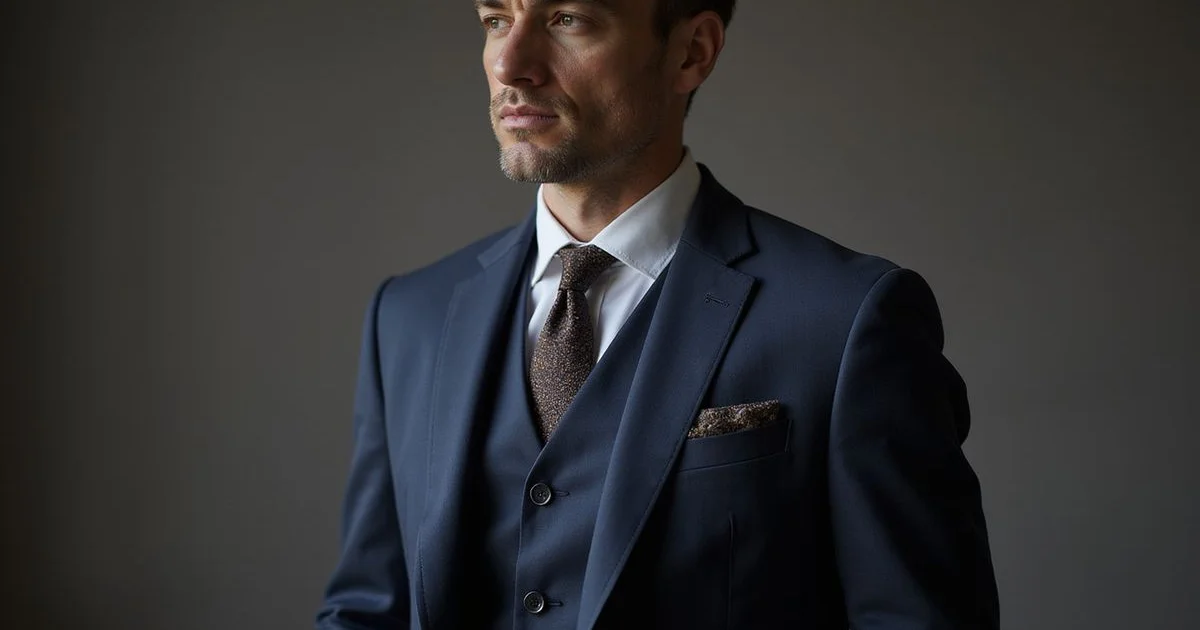
A well-cut suit changes the way you carry yourself into a meeting. It changes the way clients read your authority, and it changes the way you feel walking from the car park into a freezing boardroom in Section 13. After 22 years of fittings at Lanwin Tailor, I am convinced that fit is the single biggest variable in how a suit performs.
Most off-the-rack suits I see in Petaling Jaya fail at least three of the checkpoints below. The good news is that once you know what to look for, you can never unsee it.
Local Climate Note Before We Begin
Almost every fit guide on the internet was written for a temperate climate. In Petaling Jaya, where the humidity hovers above 80 percent and you might walk from a 33 degree afternoon into 19 degree air conditioning within minutes, fit also has to account for movement, breathability, and the way your shirt clings to your back. I’ll mention these tropical considerations as we go.
Start at the Shoulders
The shoulder seam sets the foundation for everything below it. Get this wrong and the rest of the jacket cannot recover.
Where the seam should sit: Right at the pivot point where your arm meets your torso. A seam that drops below that point makes the jacket look borrowed. A seam that climbs onto your shoulder makes you look pinched and constricted.
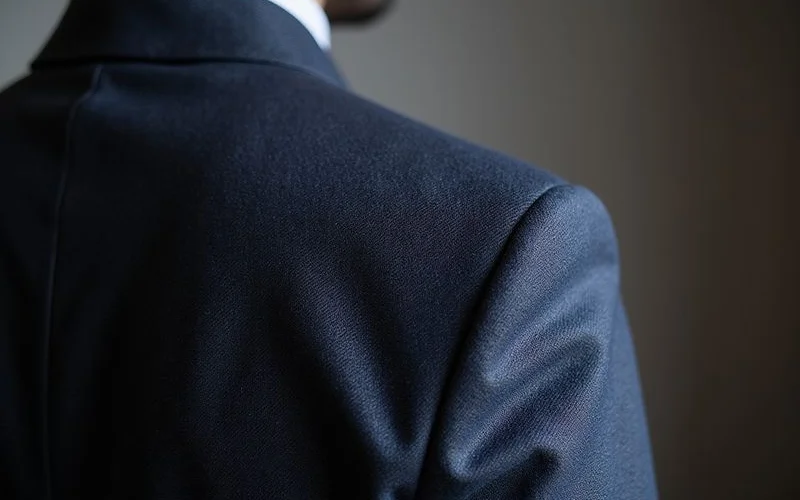
The cloth between your neck and the seam: It should lie completely flat. Ripples here mean the shoulder pitch does not match your natural posture, and forward-leaning desk workers tend to suffer this most.
Sleeve head transition: Look for divots, dimples, or creases where the sleeve meets the shoulder. These signal a mismatch between the armhole shape and the way your arm rests.
A truly important point worth saying clearly: shoulder fit cannot be altered after the fact. Reworking it requires rebuilding the upper jacket from scratch. This is why we spend more time on shoulder measurements than any other dimension during a Lanwin Tailor consultation.
The Collar and the Half-Inch Rule
Run your finger along the back of your neck. The jacket collar should rest gently against your shirt collar with no visible gap.
A clean collar shows roughly half an inch of shirt above the jacket all the way around. Less than that and the look feels uniformed and cheap. More than that and the proportions begin to slide.
Roughly six out of ten off-the-rack jackets we fit at our PJ studio have a visible collar gap, where the jacket collar stands away from the neck. This is almost always a posture mismatch with the standard pattern, and it is one of the strongest reasons our clients eventually move to bespoke.
The Chest, the Button, and the X
A correctly fitted jacket lets you slip your flat hand between the buttoned front and your chest, but no more.
The warning signs are easy to spot. Horizontal tension lines radiating from the button form an “X” when the jacket is too tight. Loose, hanging cloth means the body is too wide. Both make a sharp jacket look like a costume.
The position of the top button on a two-button suit also matters more than people realise. It should sit roughly an inch or two above your navel. A well-placed button stance lengthens the torso visually and balances your overall frame.
The Back and the Vents
Use a three-way mirror or, more realistically for most clients, ask a friend to take a photo from behind. You are looking for clean drape, no horizontal ripples below the collar, and no vertical folds near the armholes.
Double vents should lie completely flat when you stand with your arms at your sides. If they pull open and reveal your trousers, the jacket is too tight through the hips. This is a frequent issue for athletic builds and one of the main reasons we recommend a bespoke pattern for clients who lift weights regularly.
Jacket Length
The classic rule says a jacket should cover the curvature of your seat and end where your thumb knuckle sits when your arms hang naturally. Modern cuts run shorter, but going too short looks amateurish and unbalances your legs.
Taller clients usually need a slightly longer jacket to balance leg length. Shorter clients often benefit from a slightly shorter cut to maximise their visual leg line. The right answer depends on your body, not on a fashion trend.
Sleeve Length and the Watch Test
With your arms hanging naturally, the jacket sleeve should end at your wrist bone and leave about a quarter to half an inch of shirt cuff visible. The sleeve should taper toward the wrist without gripping it. You should be able to check your watch or shake hands without the sleeve riding halfway up your forearm.
A Note on Tropical-Friendly Construction
Before we move to the trousers, let me touch on something specific to Petaling Jaya. A suit that fits beautifully in dry weather can feel like a sauna here if the construction is too heavy. Half-lined jackets, high-twist tropical wools, and breathable horsehair canvas all matter as much as the fit checkpoints above. A perfectly cut jacket you cannot bear to wear on the Federal Highway commute is a wasted commission.
The Trousers Deserve Equal Attention
Many clients lavish attention on the jacket and ignore the trousers. The result is unbalanced.
Waist position: Wear dress trousers at your natural waist, near the navel rather than on the hips. Wearing them low causes sagging in the seat and forces the jacket to compensate.
Seat and thigh: The cloth should trace the line of your body without gripping. You need enough room to sit through a long Jaya 33 lunch without fearing for the seam.
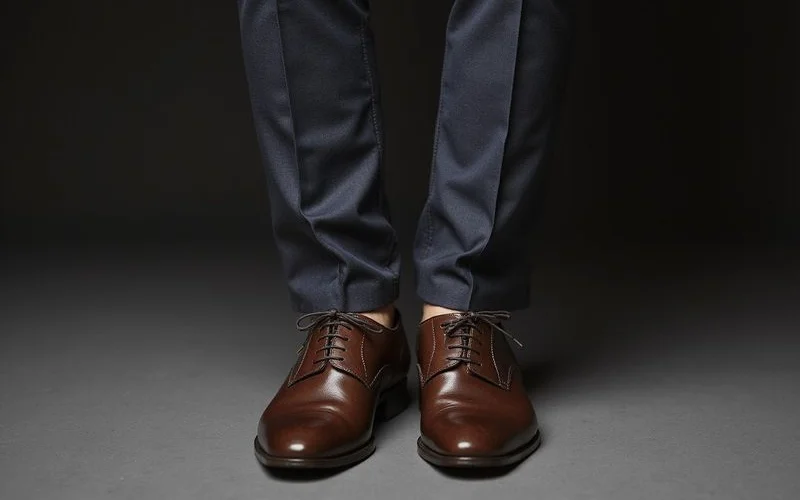
The Three Breaks
The “break” is the small fold of cloth where the trouser hem meets the shoe.
- No break sits cleanly above the shoe, popular in modern slim cuts and creative industries
- Half break creates a single subtle fold and is the safest professional choice for the Klang Valley
- Full break rests heavily on the shoe in a traditional silhouette that can look dated if not handled carefully
Quick Fit Reference
| Checkpoint | What to look for | Common defect |
|---|---|---|
| Shoulder seam | Sits at the natural shoulder edge | Drops too far down the arm |
| Collar | Half inch of shirt collar visible | Visible gap behind the neck |
| Chest button area | Flat cloth, no tension | X-shaped pull lines |
| Back vents | Lie completely flat | Pull open over the seat |
| Sleeve length | Quarter to half inch of shirt cuff | Sleeve covers the wrist bone |
| Trouser break | Single soft fold (preferred) | Heavy bunching at the shoe |
When Your Current Wardrobe Fails the Test
If most of your existing suits fail these checkpoints, you have three honest options.
A skilled alteration tailor can refine sleeve length, jacket waist, and trouser hem for moderate cost. Made-to-measure improves on off-the-rack fit by adjusting a standard pattern. A bespoke suit is built from a unique pattern drafted for your body, which is the only path that resolves shoulder, posture, and asymmetry issues completely.
When the Suit Disappears
The truest sign of a great fit is that you forget you are wearing it. The collar does not gap, the sleeves do not bind, the trousers do not pull at the seat. You walk into a meeting and your clothes simply support what you are doing rather than distracting from it.
If you are ready for a wardrobe that finally fits the way it should, book a consultation with the Lanwin Tailor team in Petaling Jaya. We will measure carefully, talk through your daily routine, and build a suit your future self will thank you for.
Louis Wong
Third-generation master tailor leading the Lanwin Tailor atelier with Shanghainese drafting heritage refined for the Klang Valley.