Is That Suit Worth Altering? An Honest Decision Guide
When alterations make sense and when they don't. A practical evaluation framework from a Petaling Jaya tailor with 22 years of experience.
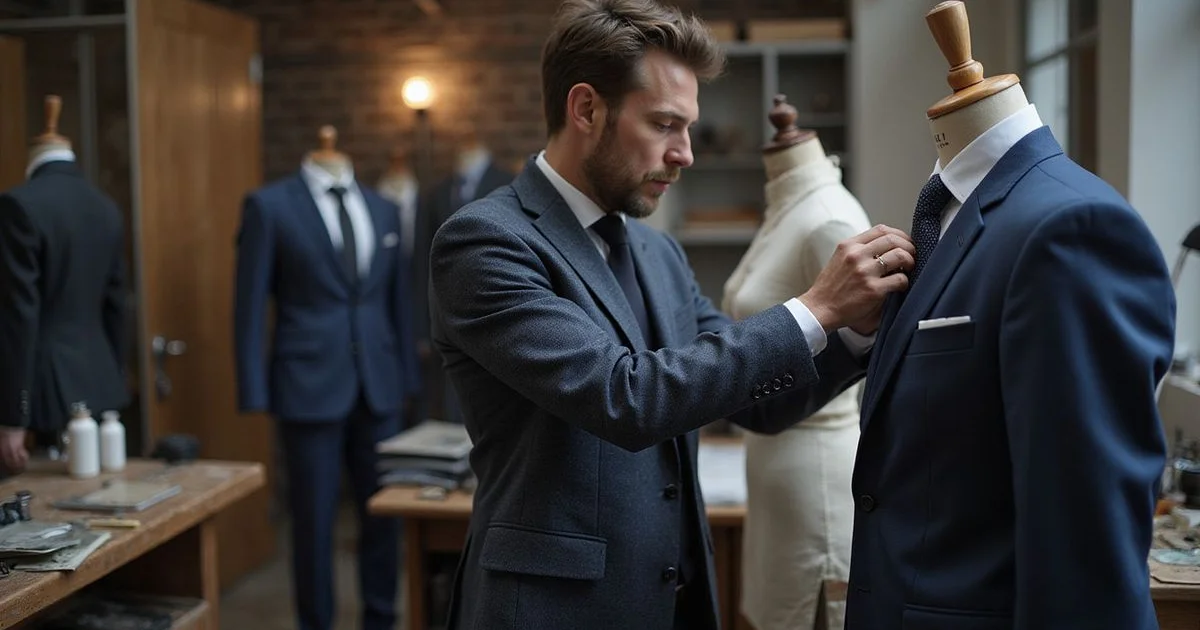
One of the most common questions a client asks when they walk into our Lanwin Tailor studio in Petaling Jaya is some version of “is this thing worth saving?” It is a fair and honest question, and it deserves a fair and honest answer rather than a reflexive “yes” that simply puts money in our pocket.
The truth is that not every garment should be altered. Some suits have lived a full life and are ready to retire. Others have structural issues no tailor can fix. And a few are absolute gems that deserve every ringgit you spend on them.
This guide walks through the way our senior cutter evaluates an alteration request, so you can make the call yourself before booking an appointment.
Start with the Cost-to-Value Ratio
The simplest test is mathematical. Compare the cost of the alteration to the current replacement value of the garment.
A useful rule borrowed from asset management: if alterations exceed 50 percent of what it would cost to replace the item, you should think hard before proceeding.
A few realistic Petaling Jaya scenarios:
- RM900 of alterations on a RM350 fast-fashion suit is rarely a wise investment.
- RM280 of alterations on a RM6,500 bespoke commission preserves a high-value asset and is absolutely worth it.
- RM450 of alterations on a RM1,800 suit you genuinely love sits in the “depends on how often you wear it” middle ground.
Sticker price is only part of the story. There are intangibles that override the maths.
Sentimental value: Your father’s wedding suit from the 1980s carries weight no replacement can match. Quality restoration is often worthwhile even when the original cost was modest.
Irreplaceability: A vintage Holland & Sherry length you can no longer source, a discontinued mill design, or a piece tied to a particular memory may justify a larger investment than the maths suggests.
Alterations With High Return on Investment
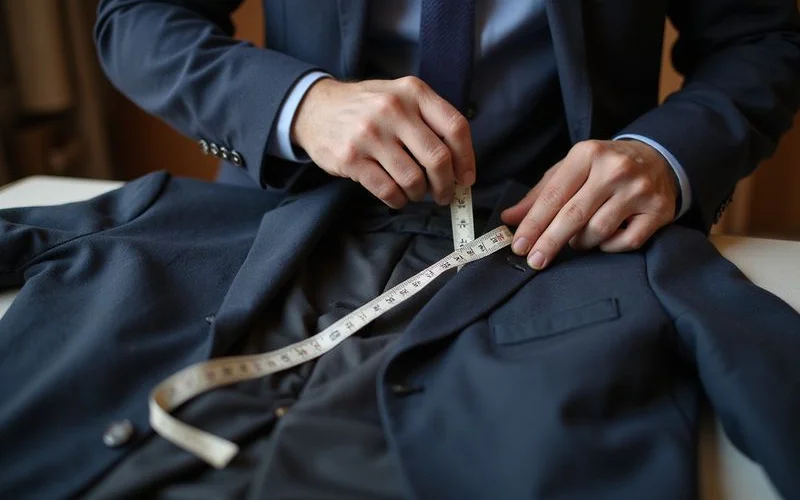
Some adjustments deliver dramatic improvement at modest cost. These are the ones our team recommends without hesitation.
Hemming trousers: A standard adjustment in our PJ workshop and the single biggest visual upgrade you can make to any pair of dress trousers.
Taking in a jacket waist: If the shoulders fit but the body is too full, waist suppression transforms the silhouette completely. The result reads as tailored rather than borrowed.
Shortening sleeves: Proper sleeve length, with a quarter inch of shirt cuff visible, makes any jacket look more expensive than it is.
Tapering trouser legs: Modern silhouettes favour a cleaner line, and updating the leg width can extend the useful life of an older suit by years.
These work because the original construction was designed to accommodate them. The seam allowances exist for exactly this purpose.
Quick Reference: Common Alterations
| Alteration | Visual impact | Verdict |
|---|---|---|
| Hem trousers | High | Essential |
| Take in jacket waist | Very high | Recommended |
| Shorten sleeves | High | Recommended |
| Taper trouser legs | Medium | Style dependent |
Alterations With Real Limits
Some adjustments are technically possible but constrained by the original construction.
Letting out a jacket is only possible if the original tailor left enough seam allowance. Most ready-to-wear brands leave between 0.5 and 1.5 inches at most, and anything beyond that simply does not exist in the cloth. Worse, the old seam line often leaves a permanent fade mark that becomes visible once the cloth is repositioned.
Shortening a jacket is possible but throws off the proportion between the pockets and the hem. Removing more than an inch usually unbalances the entire silhouette.
Narrowing the shoulders requires rebuilding the upper jacket. The labour is significant, and even then the result can fall short of what a new commission would deliver.
Reducing a trouser waist by more than two inches often forces the back pockets toward each other, which looks unmistakably wrong.
For each of these, the right answer is to bring the garment in and let our cutter assess it in person. We will tell you what is genuinely achievable.
Alterations We Strongly Discourage
Some requests come up frequently and almost always disappoint.
Widening shoulders: Effectively impossible without rebuilding the jacket. The shoulder line is the foundation of the entire garment.
Major size changes: Letting out three inches or taking in four inches distorts the proportions even when the cloth permits the change. The result rarely looks natural.
Trying to fix poor original construction: If the jacket was assembled with fused interlining and machine-made buttonholes, no amount of alteration converts it into a quality garment. You are polishing brass on a sinking ship.
Restyling double-breasted to single-breasted or removing peaked lapels essentially requires building a new jacket from the existing cloth. The cost almost always exceeds buying a replacement.
The Fabric Test
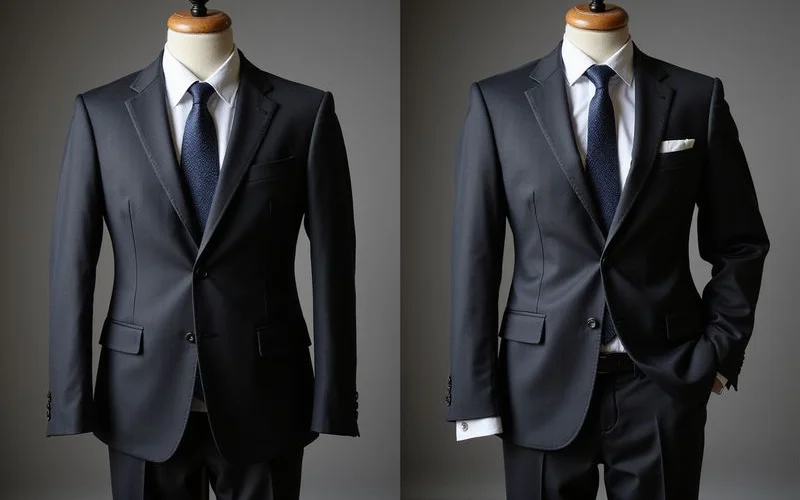
Cloth condition matters as much as construction quality. Our team performs a few simple checks before recommending any significant alteration.
Healthy fabric springs back when pinched, shows no shine at the elbows or seat, has consistent colour throughout, and shows no moth or mildew damage. The Petaling Jaya climate is hard on stored wool, so this last point matters more here than in drier regions.
Worn cloth shows shine where the fibres have been crushed, feels thin or brittle, has visible wear patterns, and may carry fade lines that would be exposed by letting out the seams. Investing in alterations on worn cloth is rarely a sound use of money. The new stitches will outlast the cloth itself.
Honest Questions to Ask Yourself
Before you bring a garment in, sit with these questions for a few minutes.
Will I actually wear this if it fits? Be honest about whether the suit suits your current life. A reshaped jacket that still hangs in the wardrobe is wasted money.
Do I genuinely like the style? Alterations change fit, not pattern, colour, or aesthetic. We have seen too many clients pour money into garments they only kept because they spent too much in the first place.
Could a replacement be a smarter spend? If the cost of the alterations plus the original purchase rivals what a new commission would cost, the new commission may be the wiser choice.
What an Honest Consultation Looks Like
When you bring something to the Lanwin Tailor team for assessment, here is how we work.
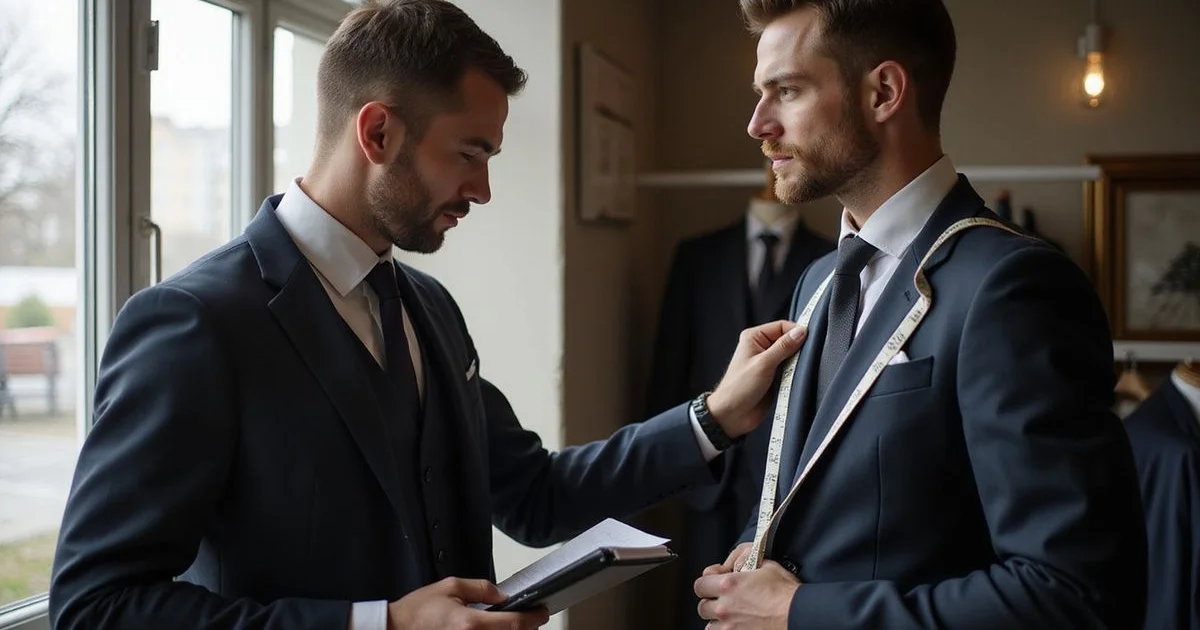
We open the lining and inspect the seam allowances. We try the garment on you and pin the problem areas in real time. We discuss the structural limits, including any constraints the original construction imposes. We give you a line-item quote before we cut a single thread, and we tell you what the realistic outcome will be.
Sometimes the answer is yes, this is absolutely worth doing. Sometimes it is yes, but here are the trade-offs. And sometimes it is honestly, you would be better off putting this money toward something new.
That conversation is what every client deserves. Our alterations service is built around it, whether the garment came from our workshop or someone else’s.
If you have a piece you have been wondering about, bring it in. We will give you the straight answer.
Ridzuan Hashim
Expert insights from the Lanwin Tailor tailoring team in Petaling Jaya.