Premium Shirt Fabrics for Malaysia's Humidity: Thomas Mason, Albini, and Beyond
A practical guide to choosing premium shirt fabrics for the Klang Valley climate. Thomas Mason, Albini, weaves, and weights explained by a Petaling Jaya tailor.
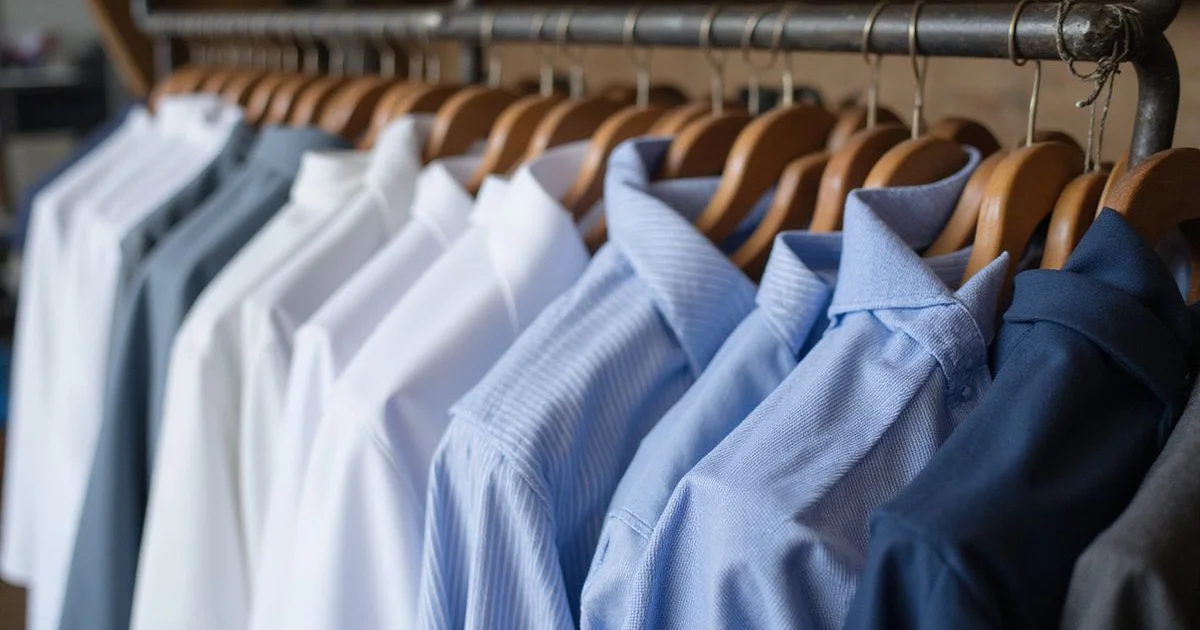
When you commission a custom shirt at Lanwin Tailor, the fabric choice shapes the entire experience of wearing the garment. The cloth determines how the shirt feels on your skin during a 33 degree afternoon, how it holds its shape through the air-conditioning shock of a corporate boardroom, and how many years it survives in your wardrobe before retiring.
Most clients walk into our PJ studio focused on fit, and they should be. But I have learned over 22 years that the cloth question is just as important, especially in our climate. Petaling Jaya is unkind to the wrong fabric, and even the best-cut shirt fails quickly if it cannot breathe.
This guide walks through the mills we trust, the technical specifications that actually matter, and the weaves that work for Klang Valley professionals.
Why Mill Provenance Matters
The premium shirt cloth industry runs on a small number of legendary producers. They control the entire supply chain from cotton cultivation to finishing, which gives them a consistency that lower-cost alternatives simply cannot match.
We work primarily with two of them.
Thomas Mason
Founded in Lancashire in 1796, Thomas Mason holds an archive of more than 700 volumes of textile designs accumulated over two centuries. The mill was acquired by the Albini Group in 1992 but maintains a distinct identity built around bold British colour traditions paired with Italian finishing precision.
Their Goldline collection is particularly notable for using long-staple Egyptian Giza 45 cotton. The hand feel is silky and only improves with washing. We use Thomas Mason cloth for clients who want a refined, traditional aesthetic.
Albini
The Albini Group is the largest European manufacturer of shirting fabrics and has been family-run since 1876. They are vertically integrated, meaning they control everything from cotton sourcing to weaving in Bergamo. Their BIOFUSION line offers fully traceable organic cotton without sacrificing durability, which appeals to clients who care about supply chain transparency.
Albini’s general cotton range is also our workhorse for daily business shirts. The mills produce consistently high-twist yarns that handle Petaling Jaya’s humidity better than most.
Other Mills Worth Knowing
Canclini sits near Lake Como and started in silk production in the 1920s before moving to cotton. Their finishing processes show that heritage. We recommend their flannels and casual prints for clients who want softer, less formal shirts for weekend wear.
David & John Anderson, also part of the Albini umbrella, represents the pinnacle of high yarn counts. They produce ultra-fine fabrics in the 200/2 and 300/2 range. These shirts feel weightless but require professional laundering to maintain their appearance.
The Technical Specs That Matter
Marketing terms often obscure the metrics that actually determine quality. Three things matter most.
Fibre Length
The geographic origin of the cotton dictates the length of the individual fibres, known as the staple.
- Extra-Long Staple (ELS) cottons exceed 35mm and include Supima, grown primarily in the American Southwest
- Giza 45 is grown in a small region of the Nile Delta and harvested by hand to preserve the fibre integrity
- Sea Island cotton is grown in the Caribbean and accounts for less than 0.004 percent of global cotton production
Longer fibres create smoother yarns with fewer connection points, which means the fabric resists pilling and stays smooth across decades of washing.
Yarn Count and Ply
Numbers like 100/2 or 140/2 on a fabric swatch describe the yarn structure. The first number is the count (the fineness), and the second is the ply (how many threads are twisted together).
| Specification | Description | Best application |
|---|---|---|
| 80/2 to 100/2 | Substantial weight, durable | Daily business wear, frequent travellers |
| 120/2 to 140/2 | Silky and refined | Important meetings, formal events |
| 170/2+ | Extremely fine, delicate | Black tie events, professional laundering only |
| Single ply | One strand only | Casual summer shirts |
We almost exclusively use two-ply fabrics. Twisting two yarns before weaving creates a stronger structure that lasts dramatically longer than single-ply alternatives.
Finishing
Raw woven cloth is rough and unstable until it goes through finishing. Top-tier mills use mercerisation, a process that swells the fibres to increase lustre, improve dye uptake, and reduce shrinkage. Cheaper mills skip this or rely on chemical softeners that wash out within a few cycles.
Weaves That Work in the Klang Valley
The weave structure determines how a shirt breathes and drapes. We pay particular attention to this for clients in Petaling Jaya, where the wrong weave becomes uncomfortable within an hour of leaving the house.
Poplin (Broadcloth)
The standard for business wear and our most-recommended weave for the tropics. Poplin uses a simple over-under structure that produces a smooth surface and excellent breathability. It typically weighs around 100 to 110 grams per square metre, making it ideal for hot afternoons and air-conditioned offices alike.
The trade-off is that poplin wrinkles more easily than any other weave. If you travel constantly without access to a steamer, this can be frustrating.
Twill
Twill is identified by its diagonal “wale” texture. It is heavier than poplin, drapes cleanly, and resists wrinkles better. White twill is also less transparent than white poplin, which hides undershirts effectively.
For Petaling Jaya clients, we recommend lighter “Imperial Twills” rather than the heavier traditional twills. The cloth still drapes beautifully but does not trap as much heat.
Oxford Cloth
Originally designed for polo players in the 1800s, Oxford cloth uses a basket weave structure where multiple weft threads cross over equal numbers of warp threads. The result is durable, textured, and casual.
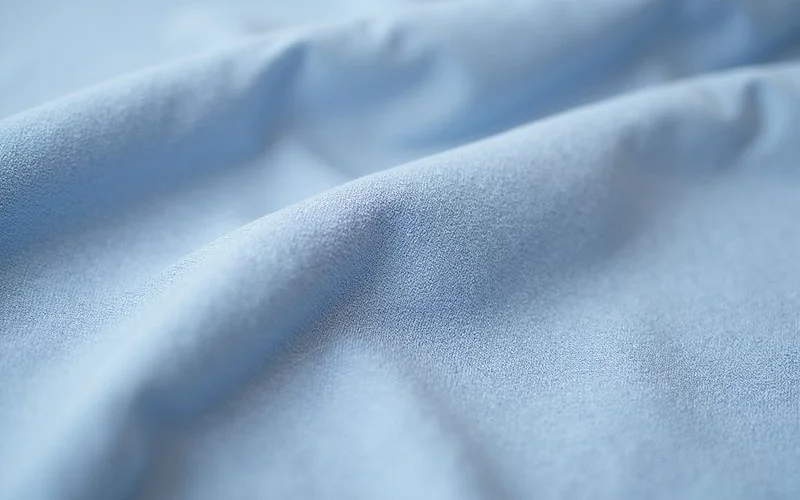
Oxford gets softer with every wash, like a good pair of denim. The downside is that standard Oxford runs heavy (often above 160 grams per square metre), which is too warm for most Klang Valley afternoons. Save it for evenings or air-conditioned offices.
Royal Oxford
Despite the name, Royal Oxford is quite different from standard Oxford. It uses finer yarns and a more intricate weave to create a subtle diamond pattern. The result has the formality of a dress shirt but the visual texture of something more interesting.
Royal Oxford is surprisingly breathable thanks to the open weave structure, which makes it one of our favourite picks for clients who want something more distinctive than plain poplin.
End-on-End (Fil-à-Fil)
Essentially a poplin weave with a white thread alternating against a coloured thread. From a distance it reads as a solid colour, but up close it has a heathered, almost chambray appearance. It creates a colour depth that flat solids cannot match.
The Climate Equation
Selecting cloth for Petaling Jaya comes down to four practical factors.
1. Weight
Lower is better in our climate. Aim for 100 to 120 grams per square metre for most daily shirts. Save the heavier cloths for occasional wear or for clients who spend most of their day in heavily air-conditioned environments.
2. Twist Level
High-twist yarns shed wrinkles and resist clinging when humid. We specifically request high-twist Albini cottons for clients who commute long distances on the Federal Highway and arrive at meetings still looking presentable.
3. Use Case
Match texture to occasion. Critical client presentations in Mutiara Damansara or Section 13 deserve smooth poplin or fine twill. Creative meetings or “office casual” environments can lean toward the visible texture of Oxford or Herringbone.
4. Maintenance Reality
Be honest about your laundry routine. If you send shirts to a professional cleaner, you can choose the delicate high-count fabrics in the 140s and above. Home laundering demands resilient fabrics like standard twill or heavy Oxford that survive imperfect ironing.
Building a Foundational Wardrobe
We recommend starting with six essential shirts that cover roughly 95 percent of professional life.
- White poplin for the most formal occasions
- Light blue twill for daily business wear
- White Royal Oxford for visual interest
- Blue Bengal stripe for adding energy to a solid suit
- Pink or lavender micro-check for client lunches
- Blue heavy Oxford for weekends with denim or chinos
Build the foundation first, then add personality.
A Real Cost Comparison
| Feature | Department store shirt | Premium custom shirt |
|---|---|---|
| Cotton source | Generic short-staple | Egyptian Giza or US Supima |
| Buttons | Plastic | Mother of pearl |
| Sizing | Neck and sleeve only | 15+ measurements |
| Lifespan | 30 to 40 washes | 150+ washes with care |
A premium custom shirt costs more upfront, but the cost-per-wear maths almost always favours the better-built garment over a five-year horizon.
Come Touch the Cloth
Photographs and digital descriptions cannot replicate the feel of luxury cotton in your hand. The weight of an Imperial Twill, the coolness of a fine poplin, the texture of a Royal Oxford: these are sensations that have to be experienced in person.
At your consultation with Lanwin Tailor, we will walk you through our curated books from Thomas Mason, Albini, and other heritage mills. You will see how different weaves catch the Petaling Jaya light and find the specific weight that suits your daily routine. There is no pressure to commission anything on the first visit. Sometimes the best decision is to take a swatch home and live with it for a week before deciding.
Louis Wong
Third-generation master tailor leading the Lanwin Tailor atelier with Shanghainese drafting heritage refined for the Klang Valley.