Suit Alterations After Weight Change: What's Possible and What Isn't
What can and can't be altered after losing or gaining weight, explained by a Petaling Jaya master tailor with 22 years of experience.
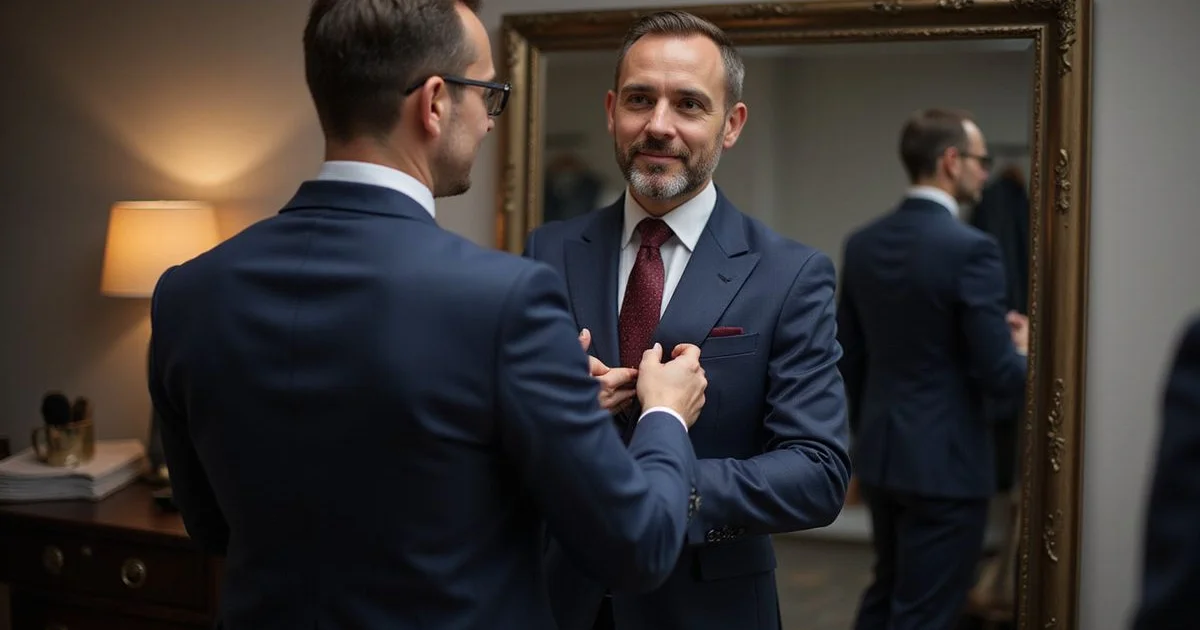
You pull on your favourite suit before an important meeting and something is off. The jacket hangs loose at the waist, or the trouser button strains the moment you sit down. Your body has changed, and your wardrobe has not caught up.
We see this conversation every week at Lanwin Tailor. Sometimes it follows a serious commitment to the gym, sometimes a hectic stretch of long hours and late dinners around Damansara Uptown. Either way, the question is the same: what can be saved, and what is honestly beyond rescue?
This guide walks through the realities of post-weight-change alterations, explained the way our cutter would explain them during a fitting in our PJ studio.
A Note on Local Pricing
Before we go further, prices in this guide reflect typical alteration costs in Petaling Jaya. They will vary by tailor, by garment construction, and by the complexity of the work. Always ask for a written quote before any cuts are made.
Weight Loss: Taking Things In
If you have dropped a few kilos, you are in a slightly easier position than someone who has gained. Taking a garment in is generally simpler than letting it out, but there are still strict structural limits.
The Two-Inch Safe Zone
For a jacket, we can typically reduce the body circumference by taking in the side seams. Most experienced tailors agree that roughly two inches (about 5cm) is the safe maximum for waist suppression on a single jacket.
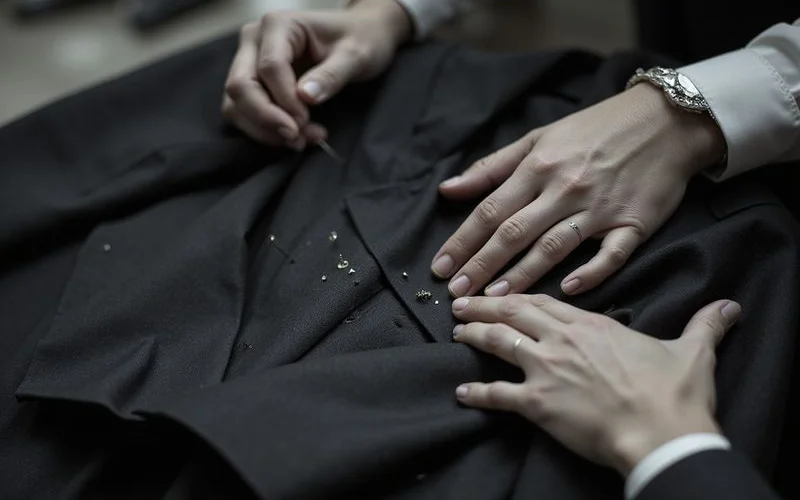
Going beyond that begins to migrate the side pockets toward the back of the jacket, ruining the visual balance and giving the garment a strange lopsided look from the rear.
Trouser Adjustments
Taking in the trouser waist is the most common alteration we perform after a weight drop. A reduction of 1.5 to 2 inches at the rear centre seam is standard and safe. Beyond about three inches, the work becomes a “recut,” which involves removing the waistband and pockets entirely. That is labour-intensive and only worth doing on a high-quality garment.
Tapering Trouser Legs
Modern silhouettes favour a cleaner line, and slimmer legs often need to be balanced with a slightly narrower opening at the hem. We can taper from the inseam without much fuss, provided the original cloth has enough generosity to work with.
Shirts
Custom or quality off-the-rack shirts can usually be darted at the back or taken in at the side seams to remove that “muffin top” billow at the waist. This is one of the highest-value shirt alterations we offer.
Weight Loss: Where the Limits Bite
Some areas resist alteration regardless of how skilled the tailor is.
Shoulders. A jacket hangs from the shoulders. If your frame has narrowed substantially, the jacket will droop. Narrowing the shoulders is technically possible but expensive, complex, and rarely produces a perfect result. We almost always recommend retiring the garment instead.
Jacket length. Shortening is possible but throws off the position of the pockets relative to the hem. Removing more than an inch usually unbalances the silhouette.
Sleeve pitch. Posture often shifts with weight loss, and the sleeves may begin to rotate or twist on the body. Correcting this means removing and re-setting the entire sleeve, which is advanced work that costs more than many garments are worth.
Weight Gain: Letting Things Out
A few extra kilos is a trickier conversation because you are entirely dependent on the foresight of whoever made the original garment.
The Seam Allowance Question
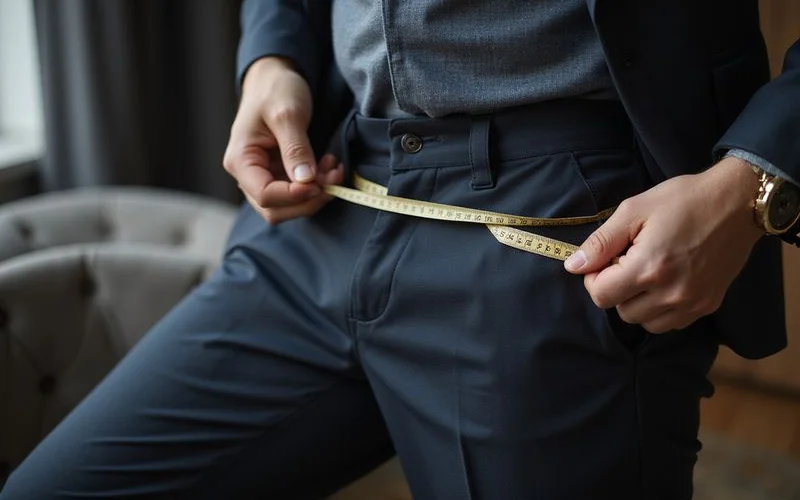
We open the lining and measure the “seam allowance,” the strip of cloth folded inside the seam during the original construction. High-end Italian and British makers typically leave 0.5 to 1 inch of allowance. Mass-market brands often leave nothing, which means there is simply no fabric to work with.
A bespoke commission from Lanwin Tailor leaves generous “inlays” specifically because we expect bodies to change over a 15 to 20 year wear life. This is a quiet but important advantage of the bespoke route.
Trouser Waist Expansion
The back centre seam is your best friend here. Most quality trousers can be let out by 1 to 1.5 inches. Beyond that, the back pocket positions become awkward and the silhouette suffers.
The Ghost Stitch Problem
Even when fabric is available, the original seam may have left a permanent mark on the cloth. Dark navy and black wools are notorious for showing “ghost stitch” lines under bright sunlight, which look unprofessional regardless of how well the alteration was executed.
Weight Gain: Where It Stops Working
Significant expansion beyond 1.5 inches usually distorts the drape. The cloth pulls at the buttonhole and creates the dreaded X crease across the stomach.
Chest expansion is essentially impossible. The chest piece, the canvas, and the lapel construction are fixed and cannot be enlarged after the fact.
Shoulder expansion is a physical impossibility. If the jacket is tight across your upper back or deltoids, no amount of tailoring creates fabric that does not exist.
The Four-Point Assessment We Use
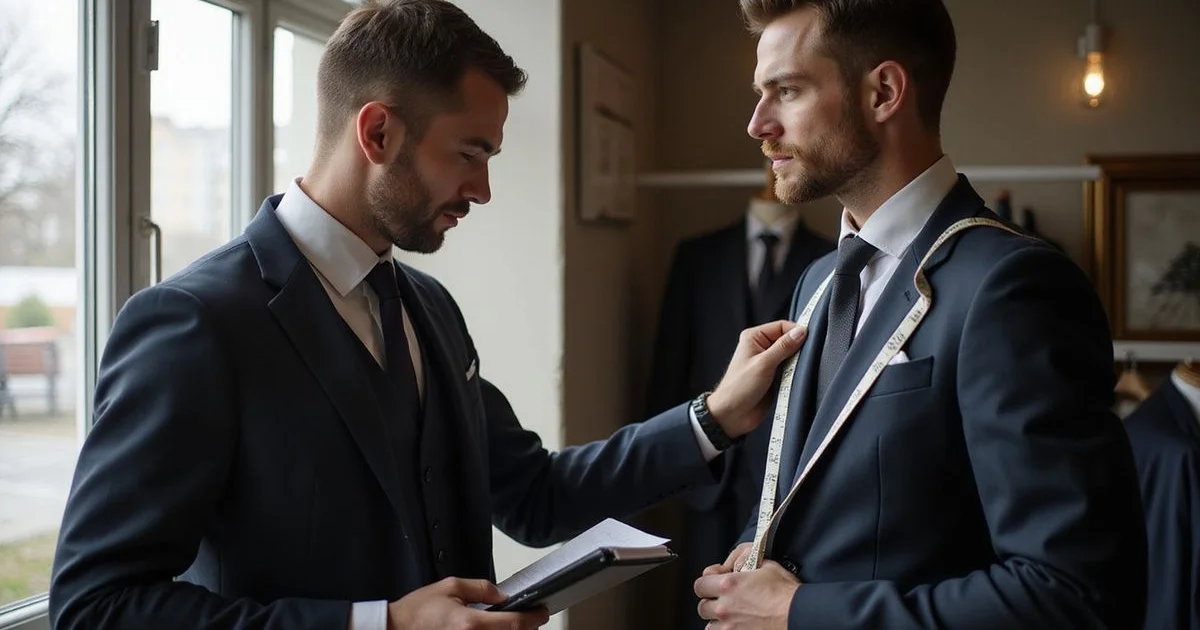
When you bring a suit to our PJ studio, our team walks through four pillars before quoting any work.
1. The magnitude of change. Alterations are viable for shifts of roughly 5 to 7 kilos. Beyond that, your overall geometry has usually moved too far for a standard alteration to fix.
2. The location of the change. Weight gain in the midsection is often workable. Gains in the neck, shoulders, or thighs are much harder because those areas have complex structural points.
3. The construction tier. A fully canvassed suit is built to be altered. A fused jacket from the lower end of the market often disintegrates or puckers when the major structural seams are moved.
4. Fabric integrity. We hold the trousers up to a strong light and check for thinning at the seat and inner thighs. If the cloth is breaking down, investing in alterations is throwing good money after bad.
Realistic Cost Expectations
| Scenario | Description | Verdict |
|---|---|---|
| Best case | High-quality wool, waist taken in 1.5 inches | Looks brand new |
| Moderate | Sides tapered, trouser waist let out to the limit | 90 percent perfect |
| Challenging | Shoulders narrowed or major length changes | Slightly off-balance |
| Not feasible | Change too dramatic or ghost lines visible | Replace the garment |
The Bespoke Advantage Becomes Obvious
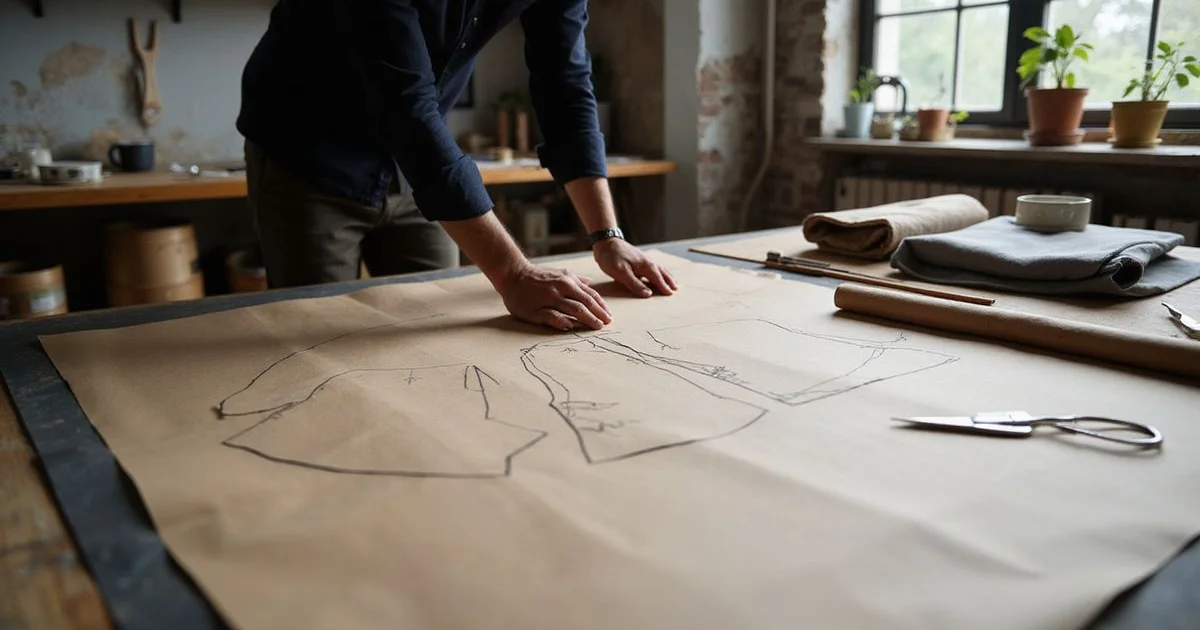
This is the moment when investing in custom tailoring genuinely pays off. When we made the original suit, we still have your unique paper pattern on file. We can recut the pattern for your new measurements and sometimes remake parts of the garment if we kept the offcuts.
Beyond patterns, bespoke suits are built with generous inlays at every critical seam, anticipating the natural fluctuations of life over decades. Premium worsted wools also steam and press far better than synthetic blends, which hides the signs of alteration almost completely.
When New Is the Smarter Choice
Sometimes the honest answer is to start fresh.
If alterations would cost more than half the current value of the garment, do the maths carefully. If the result will leave you constantly checking a tight seam in the mirror, the distraction will undermine the suit’s purpose. And if your weight is still actively changing, wait. We strongly recommend holding off until you have maintained a stable weight for at least three months before committing to any major work.
Our Process
When you bring a suit to Lanwin Tailor for an alteration assessment, here is what happens.
- We open the lining to verify available seam allowances.
- You try the suit on so we can pin the problem areas in real time.
- We discuss the structural limits openly and tell you what we can and cannot do.
- You receive a line-item quote before any cutting starts.
- We give you an honest verdict, including when we think the garment belongs in the donation bin.
There is no obligation to proceed with the work. Our goal is to make sure you walk into your next meeting looking impeccable, whether that means rescuing an old favourite or building something new.
Schedule an alterations consultation and we will see what is possible with your existing wardrobe.
Ridzuan Hashim
Expert insights from the Lanwin Tailor tailoring team in Petaling Jaya.