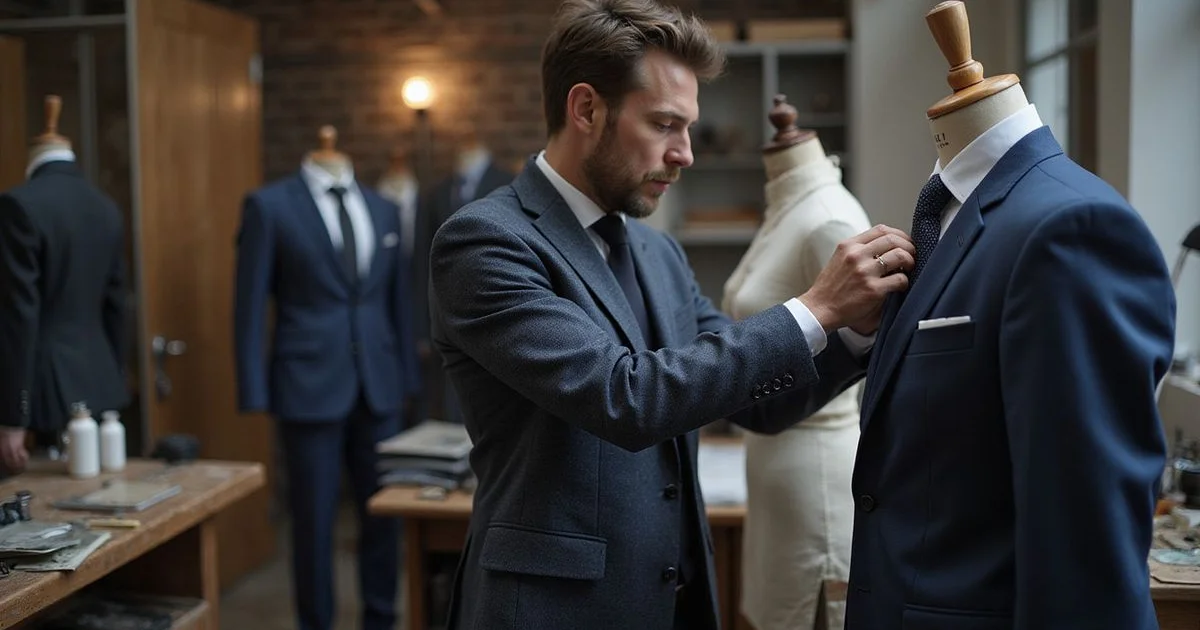
Caring for a Bespoke Suit in Petaling Jaya's Tropical Climate
How to store, brush, and protect a bespoke suit through Petaling Jaya's heat and humidity. Practical maintenance tips from a third-generation tailor.
A bespoke suit is one of the few wardrobe pieces that genuinely improves with age, but only if you treat it with respect. In Petaling Jaya, where the humidity rarely drops below 80 percent and the monsoon rains can soak you from car park to office lobby in seconds, suit care looks a little different from the advice you read in European style magazines.
I learned this craft from my father, who learned it from my grandfather in our original shophouse near PJ Old Town. Three generations of working with wool in tropical heat has taught the Lanwin Tailor team a few habits that protect a suit through decades of Klang Valley weather.
Why Tropical Care Is Its Own Discipline
Most suit care guides are written for temperate climates with dry winters. Our reality is different. We deal with relentless heat, sudden downpours, and the brutal transition between 33 degrees Celsius outdoors and the freezing air conditioning of corporate towers in Section 13 or Mutiara Damansara.
That contrast is the silent enemy of a wool suit. It traps moisture in the fibres, encourages mildew, and shortens the life of the canvas if you are not paying attention.
Rest Your Suits Between Wears
This is the most important habit, and almost nobody follows it. Wool fibres behave like tiny springs that need 24 to 48 hours to bounce back after a day of being stretched, sat in, and humidified by your body. Wearing the same jacket two days in a row crushes the recovery cycle.
A working rotation of three or four suits gives every garment the downtime it needs. Your wardrobe lasts longer, and the fabric retains its shape far better.
Hang Them Properly
Cheap wire hangers are the fastest way to ruin a beautifully built jacket. The width of your hanger determines whether the shoulder construction holds its line or collapses inward.
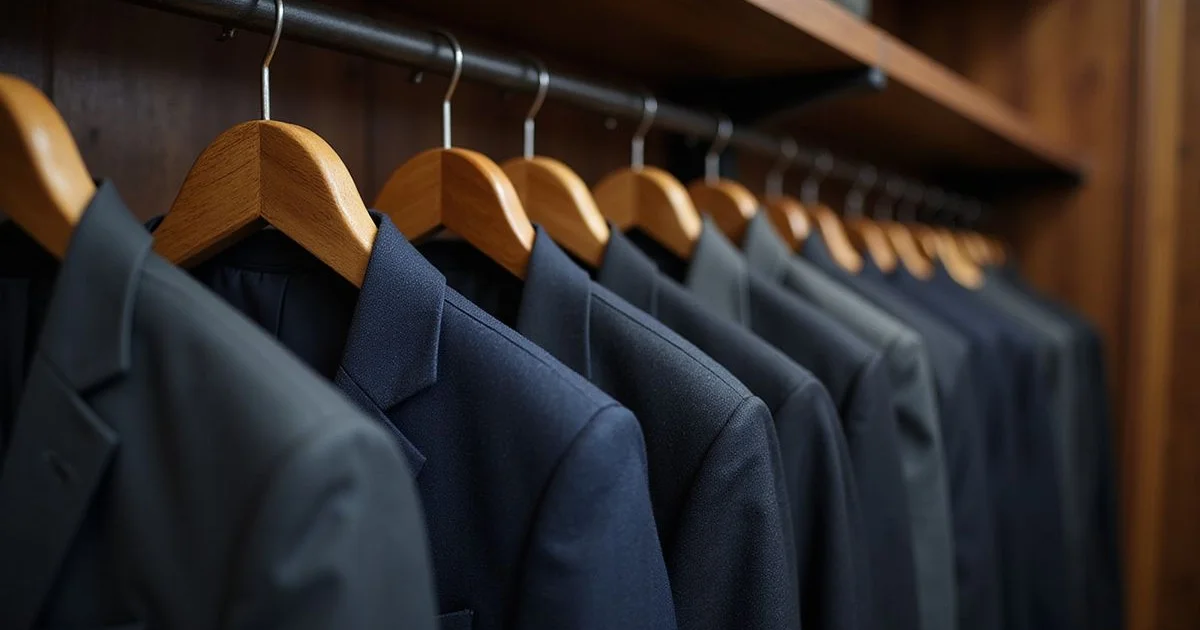
We recommend wide wooden hangers with a shoulder flare of at least 2 to 2.5 inches. The extra width supports the canvas the way your shoulders do, preventing the dimples and bumps that thin hangers cause over time.
| Feature | Wire or Plastic Hanger | Wide Wooden Hanger |
|---|---|---|
| Shoulder support width | 0.5 inches | 2 to 2.5 inches |
| Effect on jacket | Distorts the shoulder line | Mimics the natural shoulder |
| Material | Metal or thin plastic | Solid beech or maple |
| Trouser bar | Creates sharp creases | Flocked finish prevents slipping |
Empty the pockets before you hang the suit. Phones, wallets, and keys distort the side seams and can permanently stretch the lining. Leave at least two or three inches of breathing room between garments in your closet so air can circulate. In our climate, that airflow is essential to prevent mildew.
The Brush Is Your Best Friend
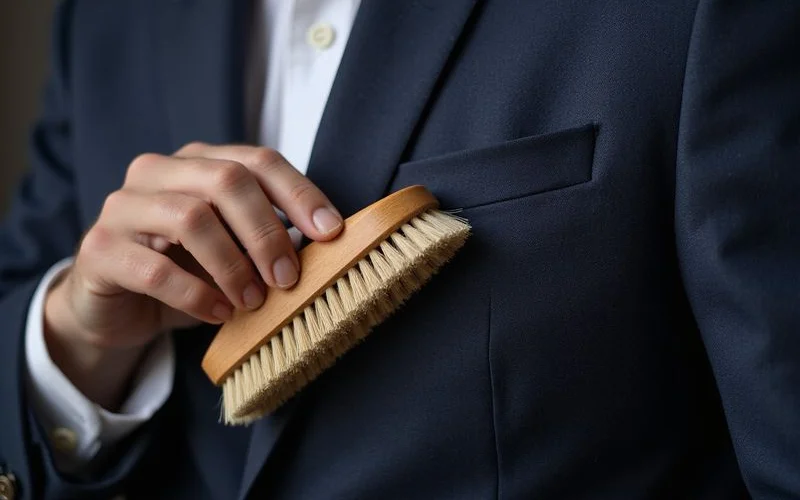
A natural bristle clothes brush is the single most underused tool in suit care. Petaling Jaya’s air carries dust, pollen, and traffic fume particles that sit on the fabric after a day in the city. Left alone, those particles cut through the fibres like microscopic glass.
A 30 second routine after every wear is enough.
- Hang the jacket securely or lay it flat.
- Brush against the nap first to lift trapped grit.
- Brush with the nap to settle the fibres.
- Pay extra attention to the collar, where sweat and hair products collect.
This single habit dramatically reduces how often you need to send a garment for chemical cleaning.
Spot Clean With a Light Touch
Spills happen, especially during long lunch meetings at Jaya 33 or Oasis Square. The instinct is to scrub. Resist it.
Wool is sensitive to friction when wet, and aggressive rubbing can fuse the fibres permanently. For water-based stains, blot with a clean white cloth from the outside in. For oil-based stains, leave them alone and bring the garment in. Home remedies usually push the stain deeper or stain the surrounding fabric.
Dry Clean Sparingly
Most suit owners send their garments to the cleaner far too often. The solvents used in commercial dry cleaning strip wool of its natural lanolin, leaving the fabric brittle and prone to shine.
Once or twice a year is the right frequency for a suit in regular rotation. Heavy use justifies a third visit, but only when there are visible stains or odours that brushing and airing cannot resolve. Ask your cleaner specifically for a “press only” or “sponge and press” service when the garment is wrinkled but not dirty. It refreshes the silhouette without exposing the cloth to harsh chemicals.
Steam Instead of Iron
A handheld garment steamer is far safer for a bespoke suit than a traditional iron. Direct contact with a hot iron plate flattens the wool’s natural pile and creates permanent shine marks that no tailor can repair.
Hang the garment, hold the steamer head an inch or two away from the cloth, and let gravity pull the wrinkles out. The fibres relax gently and return to their natural state without compression.
Storing a Suit Through the Monsoon Season
Two periods of the year deserve special attention: the Northeast monsoon from November to March and the Southwest monsoon from May to September. Humidity peaks during both, and improperly stored suits develop mildew quickly.
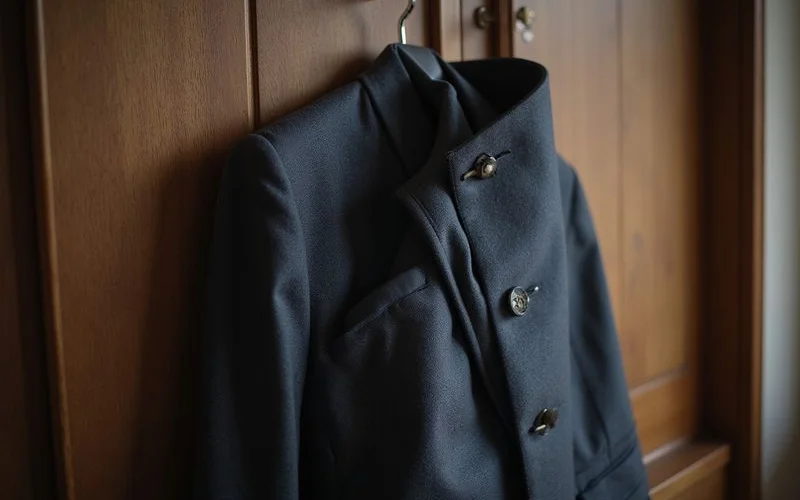
Always clean the garment before storing. Invisible body oils attract moth larvae and stain over time. Use breathable cotton or canvas garment bags rather than plastic sleeves, which trap moisture and yellow the wool. A small pack of silica gel in the closet helps reduce ambient humidity, and cedar blocks should be sanded every few months to release fresh oil.
Avoid attics and ground-floor storage where temperature swings are extreme. A dark, climate-controlled wardrobe is ideal.
Travel and the Klang Valley Commute
Even a daily drive across the Federal Highway can be hard on a suit if you are not thoughtful. Hang the jacket on the back-seat hook rather than tossing it across the passenger seat. For longer trips, the shoulder fold technique (turning the jacket inside out and tucking one shoulder into the other) protects the outer cloth and lets the garment travel without harsh creases.
Hotel bathrooms make a perfectly good steam room. Hang the suit while you shower, and the ambient steam will relax most travel wrinkles.
When to Bring It Back to Us
Some maintenance jobs need a tailor’s hand rather than a steamer. Sagging linings, loose buttons, small fabric snags, and waistline adjustments after a few extra kilos are all situations the Lanwin Tailor team handles regularly.
Our alterations service extends the life of garments we built and others made elsewhere. A well-maintained bespoke suit should outlast every fast-fashion jacket in your closet by a wide margin, and we are happy to help you keep yours in fighting condition. Contact us any time you have a care question about a piece you love.
Louis Wong
Third-generation master tailor leading the Lanwin Tailor atelier with Shanghainese drafting heritage refined for the Klang Valley.